
B-3 V
El poderoso rey de los órganos.
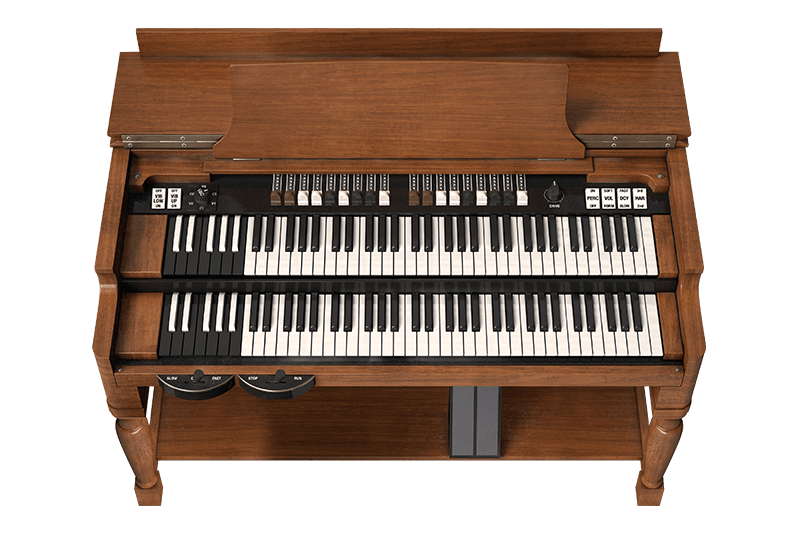
B-3 V es la emulación de software más auténtica y expresiva del legendario órgano de rueda tonal y altavoz giratorio disponible en la actualidad. Pone en tus manos todo el sonido clásico más todo un repertorio de extras sonoros de última generación.
The ultimate
virtual organ
B-3 V captures all the grit, grind, and greatness of the classic tonewheel organ and rotary speaker, then adds modulation, FX, and sound design options perfect for modern music.
Vital to rock, jazz, gospel, R&B, soul, reggae, and house, the iconic organ could go from gentle to roaring on a dime. Players carried the 400-pound beast to gigs. Any serious studio had to have one. With B-3 V, you’ll have all the character and attitude of the genuine article in a form that fits seamlessly into today’s musical workflows.
Yesterday, Meet Tomorrow
First things first: B-3 V takes this organ’s incredible legacy seriously. But the power of software also performs tricks you couldn’t dream of on the original.
Absolutely Authentic
We’ve precisely modeled the tonewheel organ’s components and how they interact using the same TAE® technology as in our award-winning V Collection, resulting in an instrument that not only sounds but behaves just like the real thing.
Whisper to Scream
Craft lilting ballad tones or pull more drawbars, crank up the tube preamp drive, and rock out. B-3 V delivers.
Round in Circles
The rotary speaker is a crucial part of the spacious sound we know and love, and B-3 V’s built-in emulation reproduces it with unparalleled accuracy.
Stage and Studio
Record tonewheel tracks that fit perfectly in your project mix or take advantage of B-3 V’s CPU efficiency onstage. (Warning: Keyboardists in the crowd will demand to know what you’re playing!)
The muscle car of
keyboards
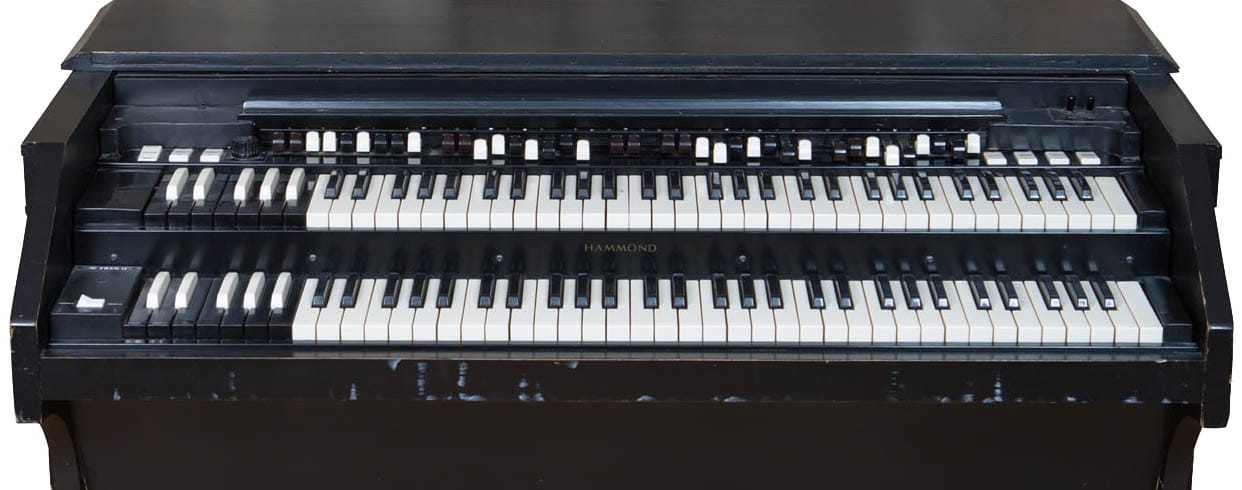
“That sound” even non-musicians recognize. Loved by jazz greats Jimmy Smith and Shirley Scott; rockers Keith Emerson, Yes, Deep Purple, and Santana; and soul giant Booker T. Jones.
A staple of reggae. The bassline on countless house tracks. And it was never supposed to be any of that.
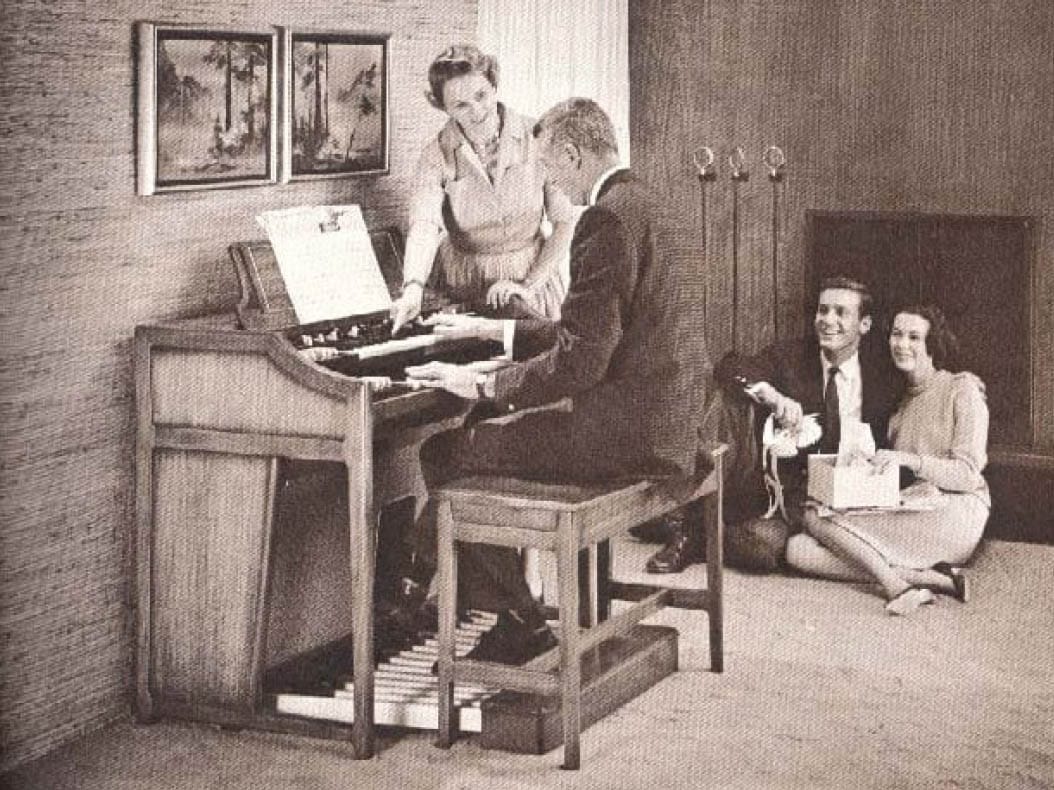
The creators of the tonewheel organ saw it as the centerpiece of the family living room and a solution for churches that could not afford pipe organs. The world had larger plans.
The tonewheel organ was the brainchild of clockmaker Laurens Hammond and inventor John Hanert, who together released the first version in 1935. The most recognizable and sought-after model, the B-3, had an amazing production run from 1954 to 1974.
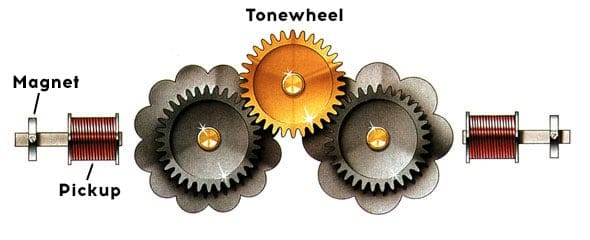
The heart of the organ contained 96 metal discs that spun on common shafts. Tooth patterns in the discs’ edges generated different pitches, via pickups and a preamp. The tonewheel organ has something in common with an electric piano or guitar: It turns physical motion into electrical energy to produce sound.
One good spin deserves another. Radio engineer and organist Don Leslie wanted to capture the pipe organ’s sense of sound coming from all around the player, and reckoned that firing a woofer and tweeter through rotating horns and baffles would do the trick. Everyone who heard the tonewheel organ through his speaker knew the two were made for each other.
Everyone except for Laurens Hammond, who initially banned his dealers from selling Don Leslie’s speakers. Legend has it he was scandalized by the fact that the sorts of musicians who gigged after midnight were adopting his dignified, churchgoing instrument.
The motion of the tonewheels and speaker, combined with the warmth of the vacuum tubes in both, makes the sound devilishly difficult to reproduce by digital means. That hasn’t stopped people from trying; the tonewheel-rotary combo is the second most emulated keyboard instrument in the world, taking a back seat only to acoustic piano. In B-3 V, our cutting-edge modeling ensures perfection here.
Mechanical
perfection
B-3 V emulates every step of this machine’s complex mechanical process for a virtual instrument that doesn’t just sound like the real thing - it behaves like it too.
The B-3 V’s namesake was electromechanical, combining spinning tonewheels with pickups to produce flute-like tones in octaves and harmonics for each note. These could be variably mixed via a set of 9 drawbars per manual for a variety of additive timbres, from soft and airy to pronounced and resonant.
But the B3 had a number of distinguished features up its sleeve. The percussion feature, which added a quickly-decaying sound at the second or third harmonic, gave each key press an edgy attack, perfect for solos and rhythmic playing. The unique modulation feature offered three different depths of vibrato or intensities of chorus.
The B to
a Tee
Control layout and appearance exactly like the original.
When you’re emulating an instrument this legendary, there are some things you just don’t mess with. That’s why the drawbars, rocker switches, and other controls are located exactly where organists expect them to be. They look the part, too.
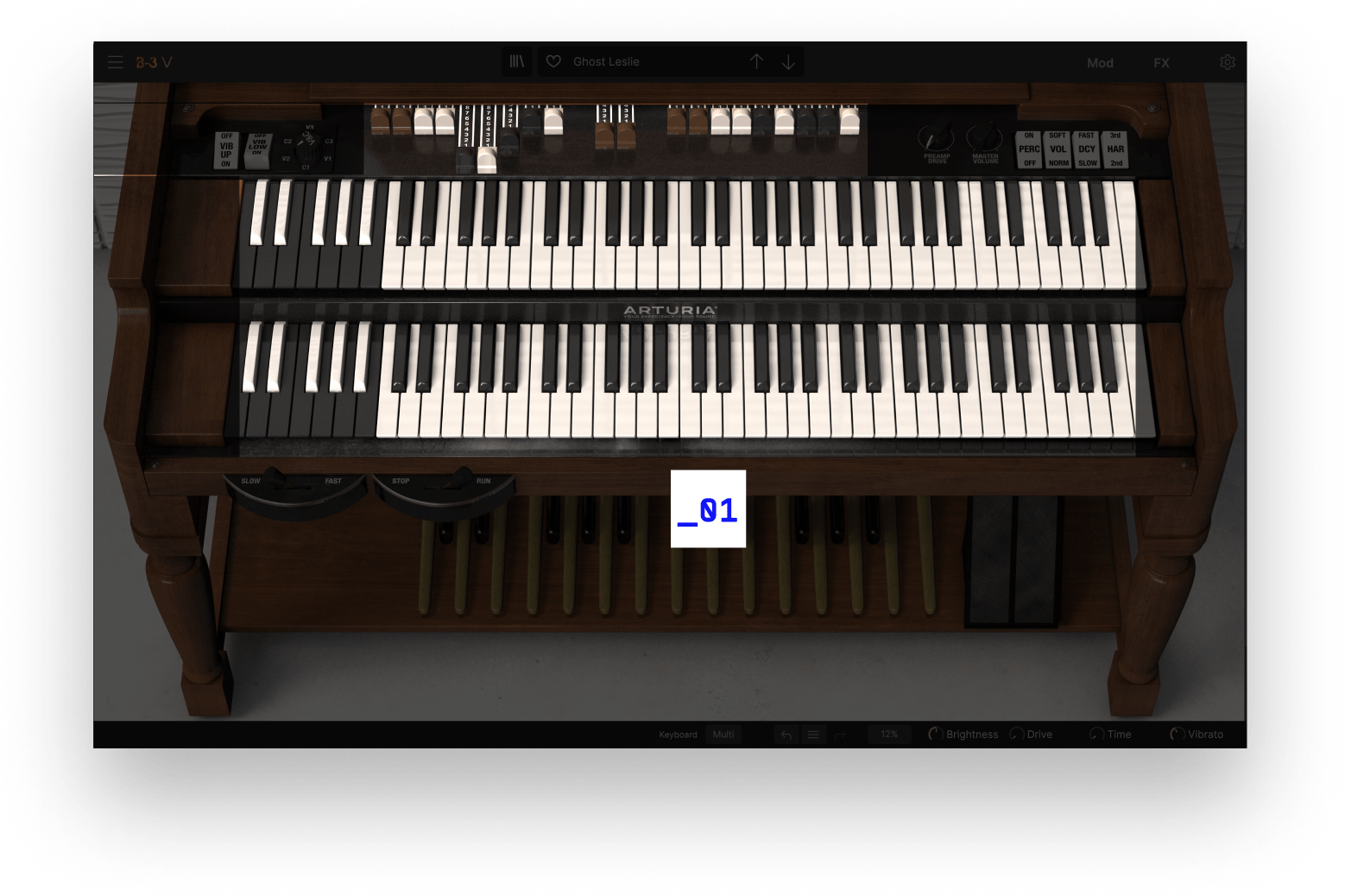
Drawbars
Upper, pedal, and lower drawbars proceed left to right across the center.
Modern
Mods
Today’s tech makes this B better.
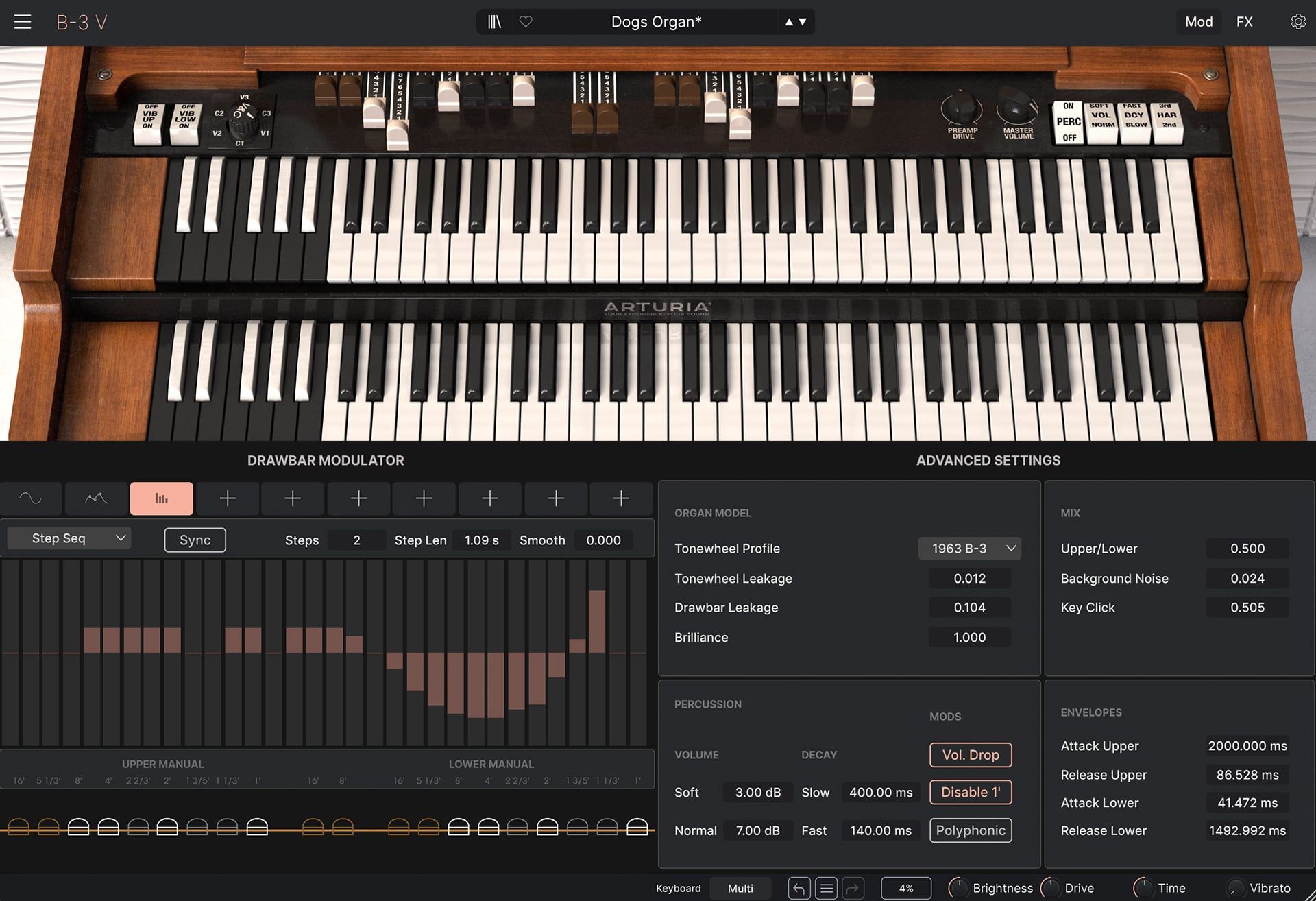
The Mod panel gets you under the hood of B-3 V in ways that would have required a soldering iron on the original — or not been possible at all.
_1
_2
_3
_4
_5
01. Organ Model
Go back in time with several vintages and models, and control exactly how much leakage (tonewheels and drawbars being picked up by their neighbors) occurs.
02. Percussion
Set exact decay times for the harmonic percussion, plus whether it drops the upper manual’s volume and/or “steals” the 1' drawbar as it did on the hardware.
03. Mix
Balance the upper and lower manuals and all-important Key Click, a slight static pop beloved by jazz and rock players.
04. Envelopes
Keep the instant on/off envelope of the classic, or increase attack and release times for more of a church organ sound
05. Drawbar Modulator
This powerhouse tool is like having up to ten extra hands to work the drawbars as you play, with movement from an LFO, multi-point envelope, or step sequencer.
A Studio Worth of
FX Power
Tweak the rotary speaker, rack up a pedalboard, and put B-3 V in virtual acoustic spaces.
B-3 V’s generous FX section lets you design the finished organ sound in your mind’s ear, all within a single instance of the plug-in.
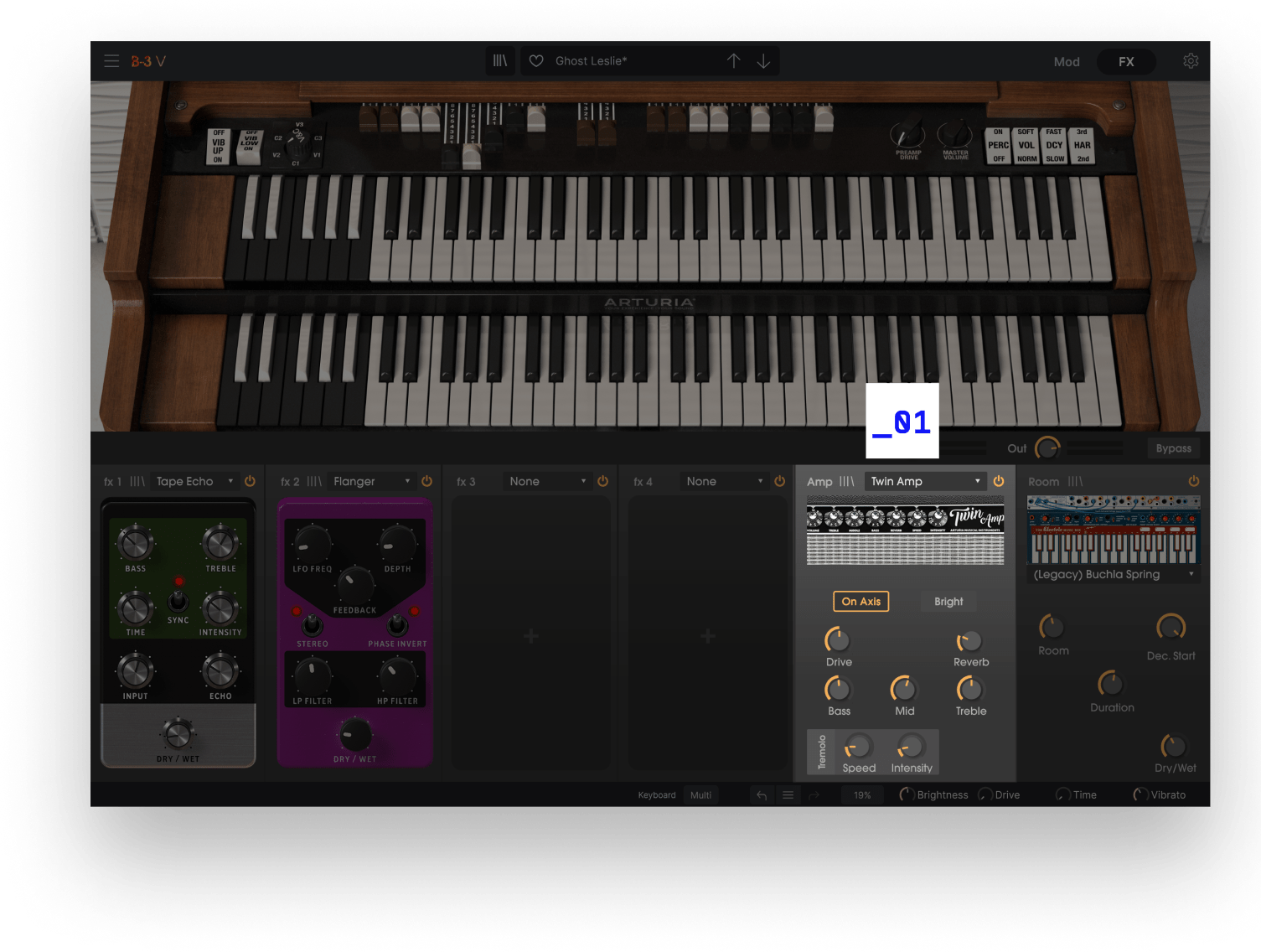
Amp Section
Switch between Rotary Speaker and Twin Amp modes for ultimate tonal flexibility. Shape your sound with drive, reverb, EQ, and tremolo controls, delivering authentic vintage warmth.
Escúchalo
en acción
Part of what made the B so appealing was its flexibility — with the right drawbar settings it could work in literally any style of music.
These sound demos show how B-3 V is more flexible still.
Last Minute_Jam
Organ from the B-3V using one of the classic presets. Bassline comes from Mini V3. Electric piano sounds courtesy of the Stage-73 V.
Black Bug
Classic 60s Organs
Classic 70s Organs
Snake Eyes
Low B
Presets
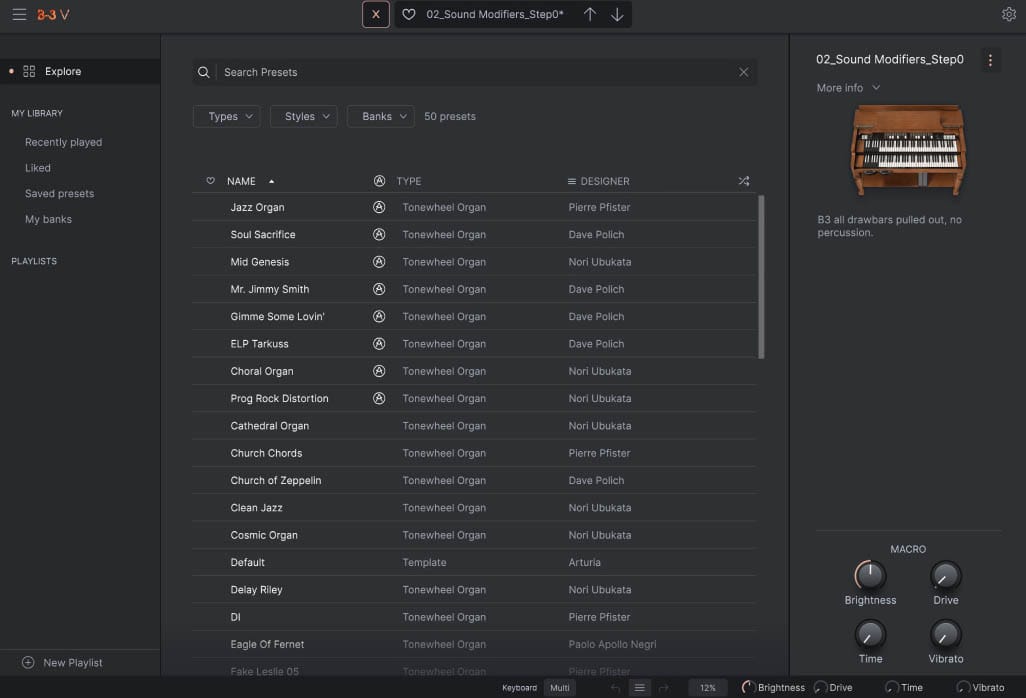
Explore creations by the world’s foremost sonic artisans with B-3 V’s easy easy-to-use Preset Browser.
We are privileged to work with some of the best sound designers in the world. Search, tag, and filter their wares by type and style, and experience just how many different organs B-3V can be. Then, create your own Presets and add rich descriptions!
Artist
Corner

Kyle Austin Davis
Keyboardist / Elvie Shane
"Playing southern styles of music, a B-3 sound is crucial. No two-ways about it. And the B-3 V not only sounds second to none out on stage, but redefines what is possible with those classic tones. I don't take the stage without it."
Portable
Producer
"Where would house music be without a organ, The B-3 v brings back the warmth and loved the way one can midi control the sliders to change the sound while playing…Sublime ! "
Incluido en la
V Collection 11 Pro
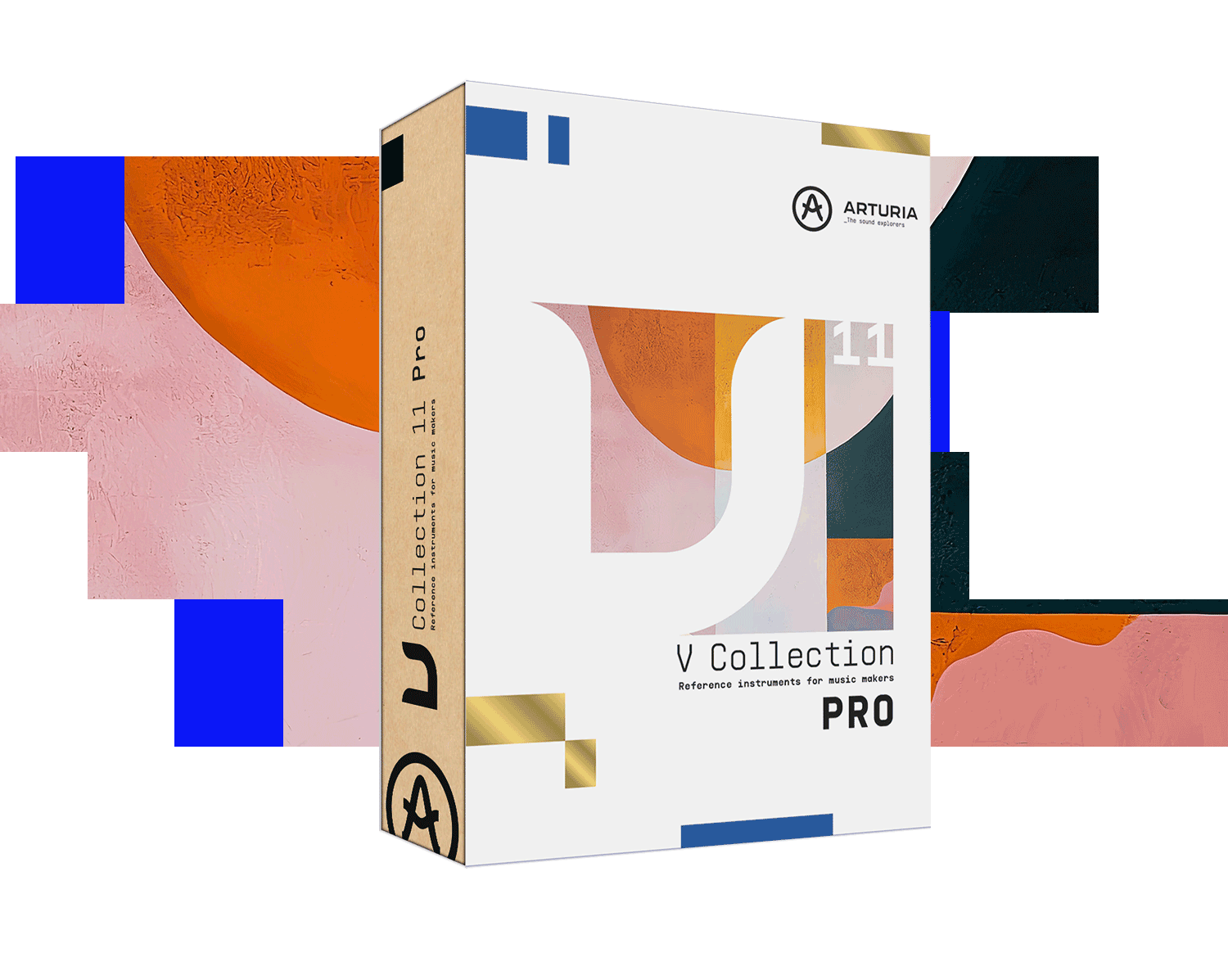
Este instrumento forma parte de la V Collection Pro, una colección prémium de instrumentos virtuales diseñados para que explores el sonido como nunca habías podido.
Desde teclados modelados con precisión hasta motores híbridos de síntesis y sonidos acústicos registrados magistralmente: cada instrumento está mejorado para el proceso de producción actual. La V Collection ofrece los mejores sonidos de teclado de todos los tiempos.
Las funciones
que necesitas
Tutoriales integrados en la app
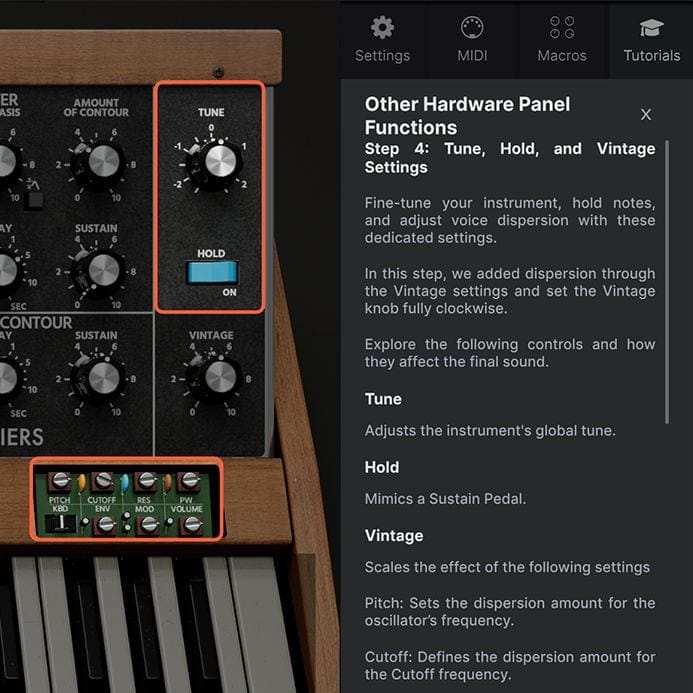
Los tutoriales integrados en la aplicación te guían en todos los aspectos del instrumento, desde parámetros individuales hasta consejos de nuestros diseñadores de sonido, para que te puedas centrar en la parte creativa. Cuesta creer que resulte tan fácil, ¡pero así es!
Basado en TAE®
La tecnología exclusiva de modelado analógico que hace que nuestras emulaciones sean indistinguibles de los originales.
Limitando con precisión las características de los osciladores analógicos, los filtros y el recorte suave, podemos conseguir un asombroso detalle a nivel de componentes y el auténtico sabor analógico a partes iguales.
Main Features
Physical Modeling Engine (no samples)
Dual manual Interface
Each manual has separate MIDI channel preferences
9 Drawbars per manual
3 modeled chorus and vibrato settings
Separate upper and lower ON/OFF
Preamp drive
Modeled rotary speaker emulator
Advanced controls for adjusting the model
Convolution based Reverb
Traditional Leslie performance controls
Swell pedal
Percussion controls
- On/off
- Volume soft/normal
- Slow/Fast decay
- Harmonic selection
Output effects where you can change the order
- Volume, wah, auto-wah
- Flanger
- Compressor
- Chorus
- Analog Delay
New Advanced Drawbar modulators
- LFO’s with multiple waveforms and phase
- Multipoint envelopes
- Step sequencer
- Drawbar destinations with positive and negative amount controls
Output effects where you can change the order
- Drawbar leakage
- Tonewheel leakage
- Brilliance
- Background noise
- Polyphonic Percussion
- Key click volume
- Attack and release controls
50 factory presets
Easy to use MIDI mapping
Platform Specifications
Windows
- Win 10+ (64bit)
- 4 GB RAM
- 4 cores CPU, 3.4 GHz (4.0 GHz Turbo-boost)
- 3GB free hard disk space
- OpenGL 2.0 compatible GPU
- ARM processors not supported on Windows
Required configuration
- Works in Standalone, VST, AAX, Audio Unit, NKS.





Apple
- Mac OS 11+
- 4 GB RAM
- 4 cores CPU, 3.4 GHz (4.0 GHz Turbo-boost) or M1 CPU
- 3GB free hard disk space
- OpenGL 2.0 compatible GPU
Work with ASC
- An elegant and simple solution to help you install, activate, and update your Arturia software instruments.