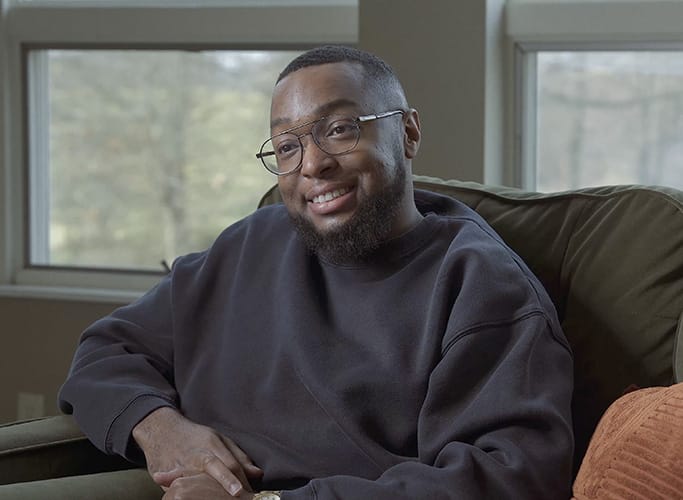
Khirye Tyler
Fast-paced creativity with AstroLab
Khirye Tyler wears a lot of hats - musical director, producer, keyboardist, bandleader - and his work is shaped by the realities of the modern music industry: high expectations, rapid turnarounds, and a touring workflow where decisions have to translate immediately from the studio to the stage. Coming off the Cowboy Carter tour cycle and a Grammy-winning year, he’s part of a team operating at the leading edge of pop production and live performance.
We sat down with Khirye at his home in Ohio to talk about the journey from church musician to global stages and why AstroLab has become a go-to for building sounds, preparing sets, and staying in the flow.
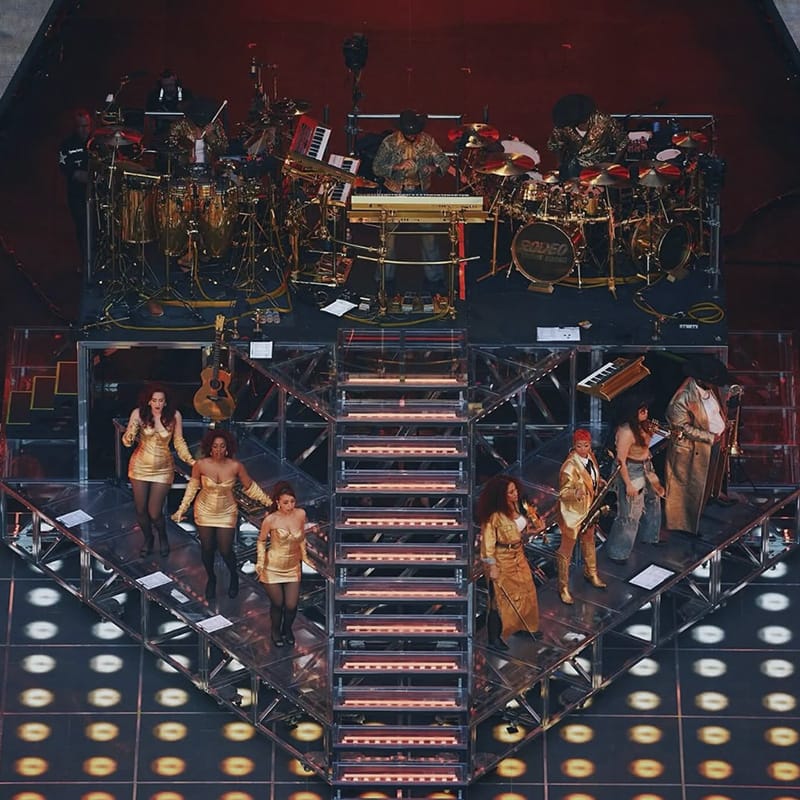
Built on rhythm, shaped by keys
Khirye’s musical foundation began in church, where music was a constant. He started on drums, then fell in love with keys, moving to organ around the age of nine. That early switch still shows up in how he produces: rhythm first, then weight and harmony, then the details that turn a loop into a fully-fledged idea.
Even as a keyboard player, he creates like a drummer. The groove comes first, and everything else is there to intensify the initial feeling. It’s an approach that runs through both his production choices and his live playing, the goal being to always make something that hits on an emotional level.
Rhythm is what moves the world… I’ll always start with drums and then go to bass.
A turning point
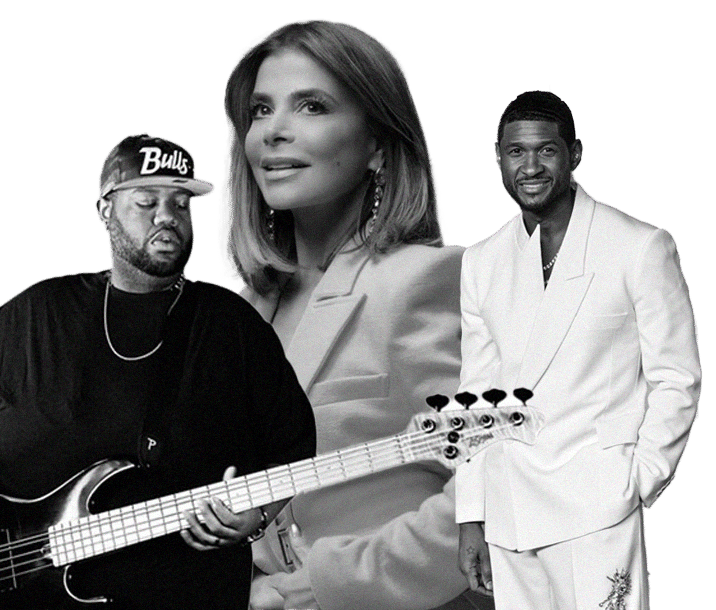
A key early break came through Damian “Damo” Farmer, who brought him in to arrange for Paula Abdul. The challenge presented wasn’t just musical, it was logistical. With classic catalogue material, stems weren’t available, so Khirye had to recreate parts at speed, aiming for accuracy on a tight schedule.
Two weeks after the job wrapped, Farmer called again with an offer to tour with Usher. For Khirye, that jump wasn’t only about a bigger stage, it was the moment things began to snowball and his professional career gained momentum.
Two weeks later… 'Would you like to go on tour with Usher?’… that’s when I started to realize, okay, things are shifting.
A sound unlike anyone
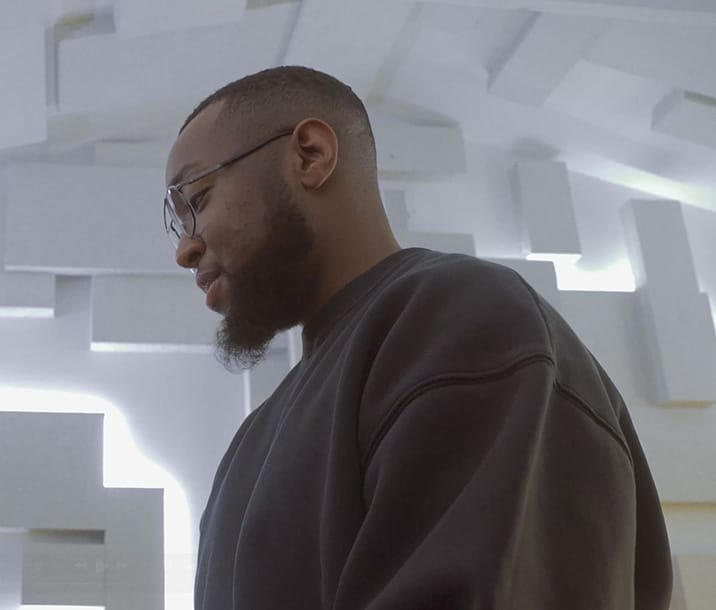
When Khirye talks about what’s shaped his career, he doesn’t frame it as chasing a lane, he frames it as building a sound over time and protecting it. That identity is what people come back for, and it’s also what keeps him interested: each project demands a new process.
He describes his work as continual learning. A different artist, different team, different expectations and a constant requirement to adapt. That’s where his “chameleon” mindset comes in: merge the room’s process with his own, then move quickly enough that the idea stays alive.
I’ve built a sound over time… people are now starting to trust that sound only because it just doesn’t sound like anyone else.
AstroLab as the travel kit
AstroLab is designed for exactly the kind of workflow Khirye describes: a single instrument that brings a huge library of sounds into a stage-ready keyboard, with a connected ecosystem that lets you build, refine, and organize everything off the clock. For Khirye, it means less time rebuilding the same sounds in different places, and more time keeping ideas moving.
That matters because his version of prep isn’t about perfectionism, it’s about protecting the room. Rehearsals move fast, teams are big, and the standard is high. The more he can arrive with sounds already shaped and ordered, the more energy and focus stays on performance and musical decisions rather than troubleshooting.
I’m really big on preparation… so when I do go out on the road or to rehearsals… no one’s waiting on me.
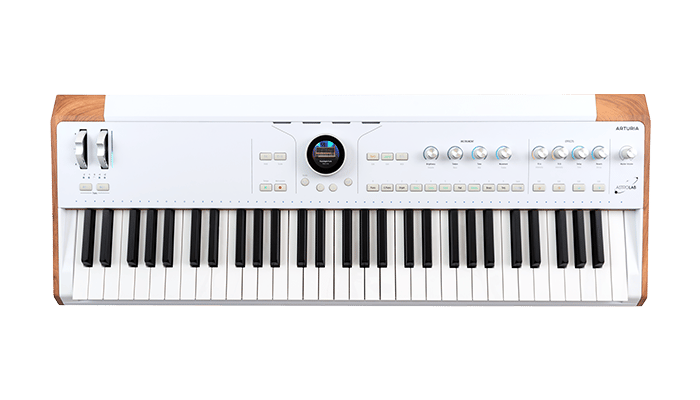
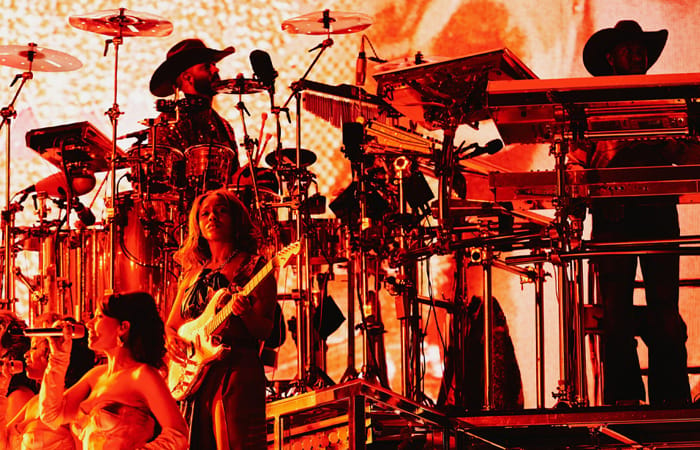
Cowboy Carter tour workflow
AstroLab became central during preparation for the Cowboy Carter tour, with Khirye’s keyboard tech and programmer Zach supporting the process. Zach shaped and molded sounds while Khirye handled the wider moving parts of the tour. From there, Khirye would take over to make the final adjustments himself, both to dial in what the set needed, and to stay fluent with the workflow hands-on.
Because many of the sounds they needed were already available as emulations inside Arturia, the approach stayed direct: identify what instrument the part came from and head straight there - Juno, Jupiter, Mini, Prophet, and beyond - with Pigments also in the mix when needed.
I’m really big on preparation… so when I do go out on the road or to rehearsals… no one’s waiting on me.
AstroLab Connect, playlists, and life on the go
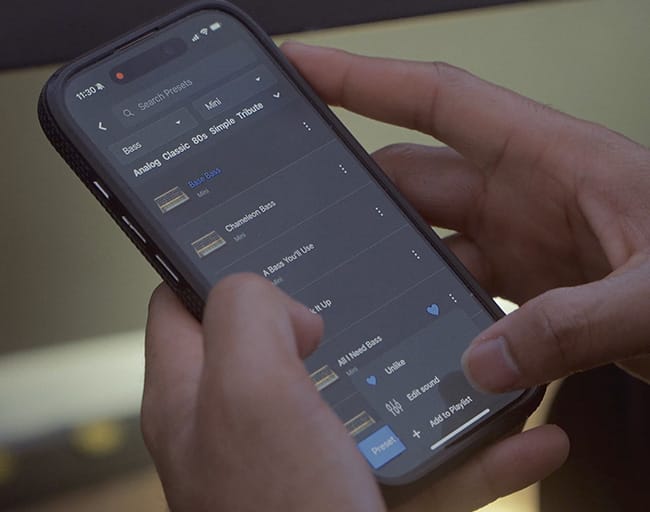
Between flights, call times, and everything in-between, Khirye can keep hunting for the next sound without needing to sit down at a full rig. With AstroLab Connect on his phone, he auditions patches in real time, triggers them on the instrument, saves favorites, makes quick effect tweaks, and drops them straight into a playlist. By the time he’s back in a rehearsal room or stepping onto a stage, the sounds are already organized in order, ready to move song to song without breaking momentum.
The playlist feature… was a true highlight for us… rehearsal, hotel room, side stage… and very quickly import those onto the AstroLab.
AstroLab 37 in the frame
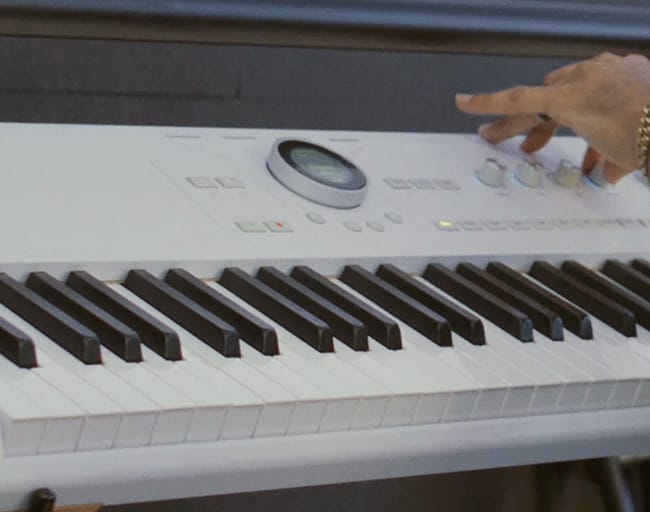
AstroLab 37 takes that same core idea and scales it into a smaller form factor. It’s a compact 37-key version that still gives access to the same sounds, the same playlists, and the same integrated workflow - but in a size that’s easier to carry between spaces or be used as a peripheral to a full-size keyboard.
For Khirye, that means the rig can follow the work instead of the other way around. If he’s away from the main setup, he’s not away from his sound world. He can pull up the same starting points, the same set lists, and the same refined patches - and keep the creative thread unbroken.
I’m getting the same amount of power… in this 37… and I can take that to the grocery store if I wanted to.
A personal connection
Khirye’s story is ultimately about momentum, catching a feeling, building quickly, and keeping ideas intact between creative contexts. From recreating stems against the clock, to adapting his process to a new production team, his focus stays consistent: keep the energy moving, keep the sound personal, and keep the setup ready for anything.
AstroLab supports this approach as a single hub for sound exploration, tour preparation, and portable creativity - built to move effortlessly between studio and stage. And with AstroLab 37, that same ecosystem becomes something he can take anywhere, keeping his sound - and his workflow - close at hand.
I am always searching for a new sound, a new feeling.