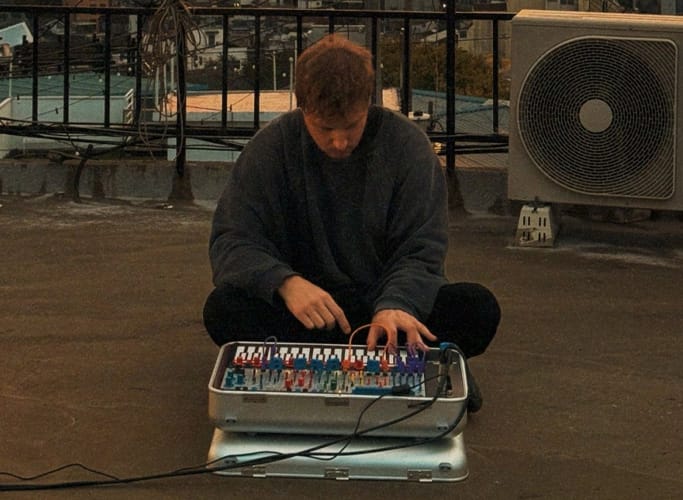
Maarten Vos
Modular exploration with KeyStep 37 mk2
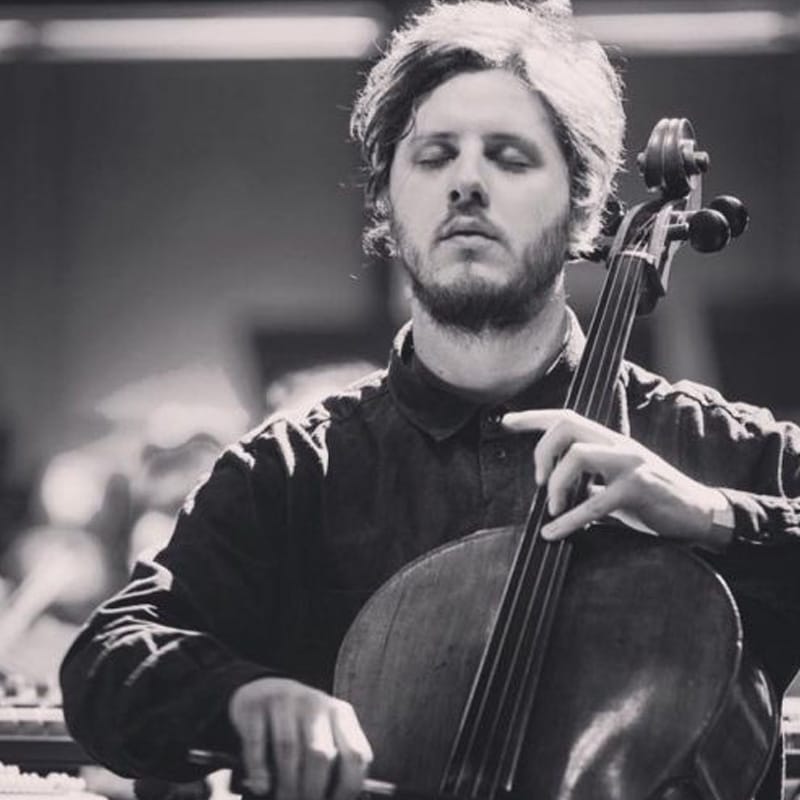
Maarten Vos is a Dutch cellist, composer and producer based in Berlin. Classically trained, he merges cello, acoustic instruments and modular synthesizers into immersive electro-acoustic, ambient, electronic and experimental work. Based at Berlin’s Funkhaus, he has developed a singular practice that bridges the expressive sensitivity of classical training with the open-ended possibilities of modular.
We sat down with Maarten at his studio to talk about his process, the value of creative constraints and how KeyStep 37 mk2 acts as the tactile nerve center for his hardware ecosystem.
Classical beginnings
Musicality began at age five for Vos, raised by parents who played the clarinet and flute. His path initially followed a route of traditional education, leading him to the Amsterdam Conservatory to study classical cello. However, contemporary influences and compositional innovators like Steve Reich and Alfred Schnittke eventually inspired a Master’s in live electronics. It was here that he began merging the cello with modern production protocols alongside a momentous introduction to a vintage Synon modular system. This transition from the digital to the analog world solidified during his time at Kytopia in Utrecht, where he further explored the relationship between acoustic and synthetic sound-making.
I combine both worlds and try to play a cello as a synthesizer and try to play a synthesizer as a cello.
A shared sonic language
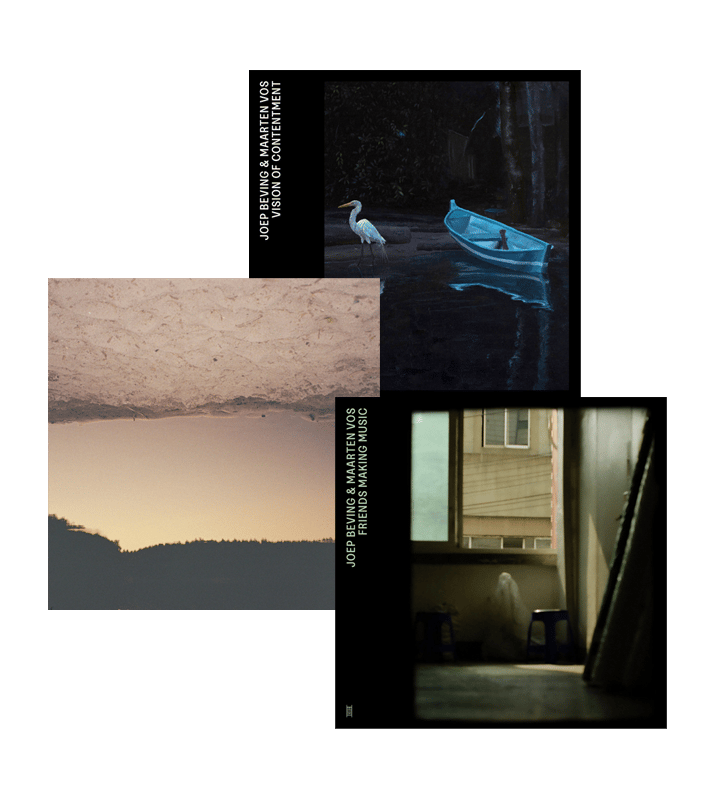
Vos’s recent output reflects a deep, contemplative turn toward minimalist and experimental textures. His collaborative album with Joep Beving, Vision of Contentment (2024), was recorded and mixed by Nils Frahm at the iconic Funkhaus complex, resulting in a "quietly radiant" and otherworldly sound. This was followed by the 2025 Friends Making Music, which captures the gentle, spontaneous origins of their collaboration. Whether unearthing hushed live recordings like Still with Michel Banabila or supporting musically informed documentary projects, Vos maintains a focus on the emotional weight of the performance.
It's very versatile but I always feel it comes from the same mindset and the same kind of sound world.
Bridging disciplines
The concept of "physical memory" dictates how Vos interacts with his equipment. Having played cello since childhood, he views the instrument as an extension of his voice and strives to reach that same level of subconscious feel with his synthesizers. His workflow is characterized by a certain self-limitation, where he limits himself to specific tools for a day to avoid the friction of overchoice. He frequently records multiple versions of a single melody, capturing the fleeting, unrepeatable patches of his modular system before they are lost.
For me, I want to get to that point also with physical memory—that it feels like you breathe the instrument.
KeyStep 37 mk2: nerve center
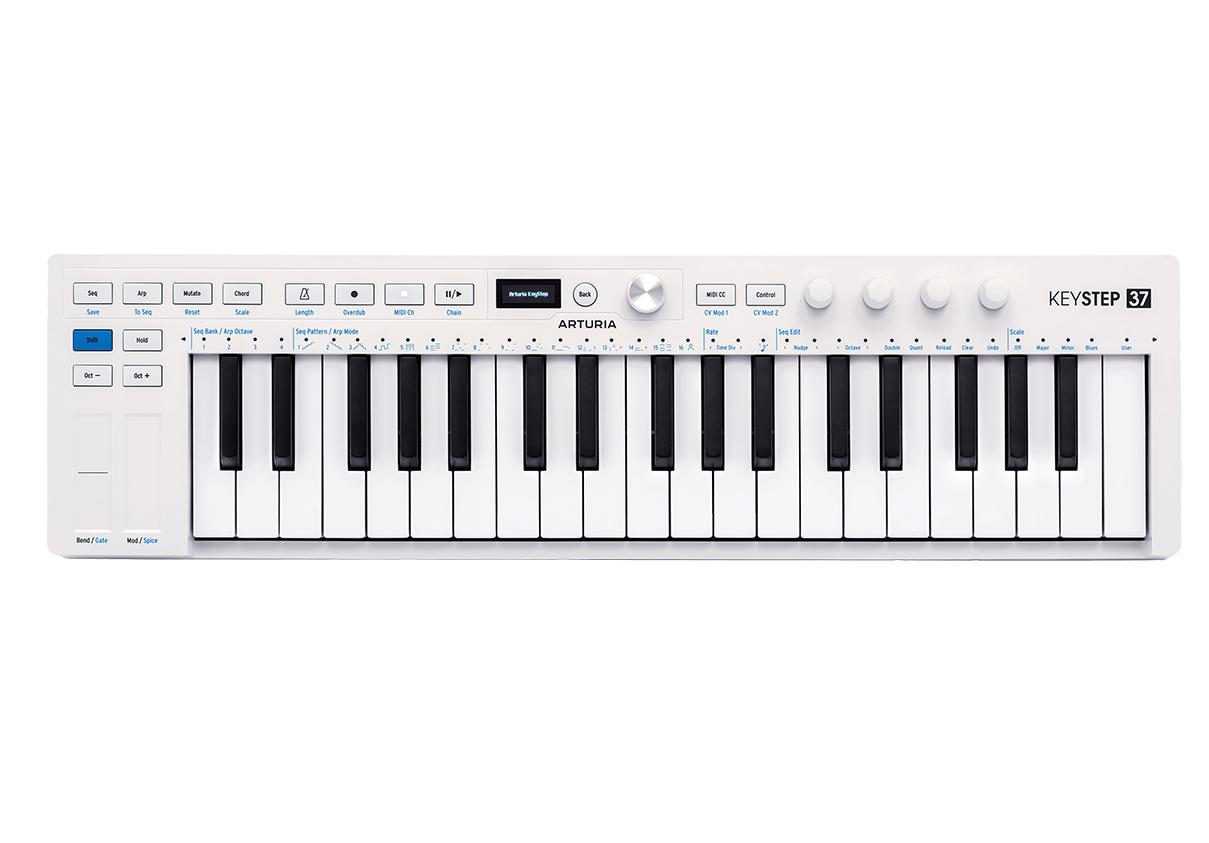
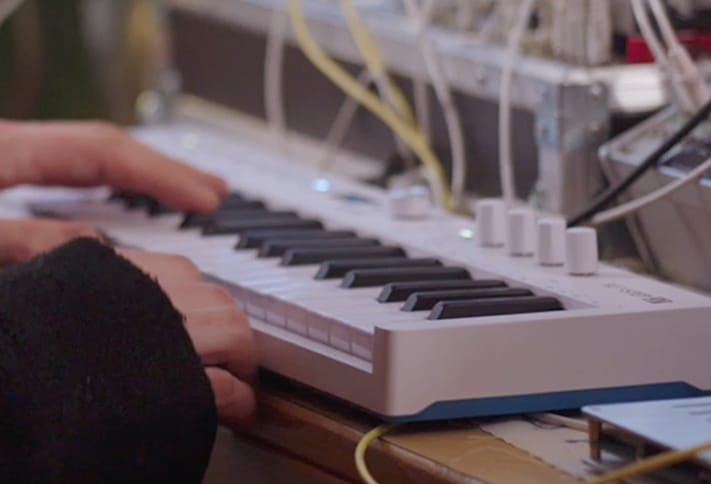
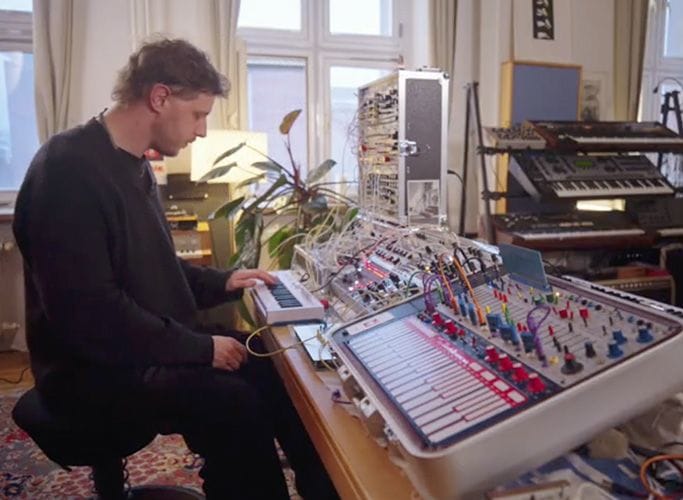
For Vos, the KeyStep 37 mk2 is the bridge between the digital and the analog. Having started his Arturia journey 13 years ago with a MiniBrute, he now relies on the KeyStep to manage a studio filled with vintage synths, modular racks, and a Buchla Music Easel. It solves the problem of translation; he can send MIDI and CV simultaneously, allowing a single small keyboard to command his entire ecosystem while maintaining the tactile feel that a classical background demands.
You can even send MIDI and CV at the same time and have basically your whole studio controlled by this small keyboard.
In session: modular showcase
During the session, Vos demonstrates a multi-layered patch using the KeyStep 37 mk2 to drive two separate voices. the result is a richly textured and evocative exploration of modular synthesis full of melodic intricacies and polymetric modular artifacts.
He patches the CV Pitch output into two oscillators - a MiniMod VCO and a Buchla - and routes the Gate output into two envelope generators. Sync keeps everything in time and utilizes the Mod output to manipulate filter cutoff via the mod wheel. He crafts a 24-step sequence utilizing the Hold function to insert rests and employs ratcheting and the Mutate function to explore experimental sequence variations.
So yeah, so this was my attempt to... with one arpeggiator... to make something interesting.
A personal connection
Beyond the technicalities of patching, Vos is driven by the social and emotional memory of music-making. He views his studio as a site for inspiration and collaboration, a place where "friends making music" isn't just an album title, but an embodied practice. For him, the tools are there to support a flow of musical imagination that feels honest, grounded, and deeply human - whether that be from traditional instrumentation or modern electronic counterparts.
I love to learn from other people and I also really like to make people feel inspired in the space I created here.